
If you have looked at more than one company's website, you have seen these three words used as though they meant the same thing. In everyday talk they blur together. On paperwork they describe different stages of a job, often billed separately and sometimes done by different companies.
The three stages
| Stage | The question it answers | Typical tasks |
|---|---|---|
| Mitigation | How do we stop this getting worse? | Shut off the source, extract water, remove soaked materials, set drying equipment |
| Remediation | How do we remove what is harmful? | Clean and disinfect after contaminated water, remove mold-affected materials, treat surfaces |
| Restoration | How do we put it back? | New drywall, flooring, trim, cabinets, paint |
Mitigation: stop the loss
Mitigation is the emergency stage. Its only purpose is to limit damage. Nothing is rebuilt. A mitigation crew arrives, removes water, takes out what cannot be dried, and sets air movers and dehumidifiers.
This stage ends when moisture readings are back to normal. It is the part your policy expects you to start promptly, and it is described on our water extraction and structural drying pages.
Remediation: remove the hazard
Remediation means correcting a contamination problem. In water damage it applies in two situations.
The first is contaminated water. After a sewage backup or outside flooding, materials are removed and surfaces are cleaned and disinfected. That is remediation in the plain sense.
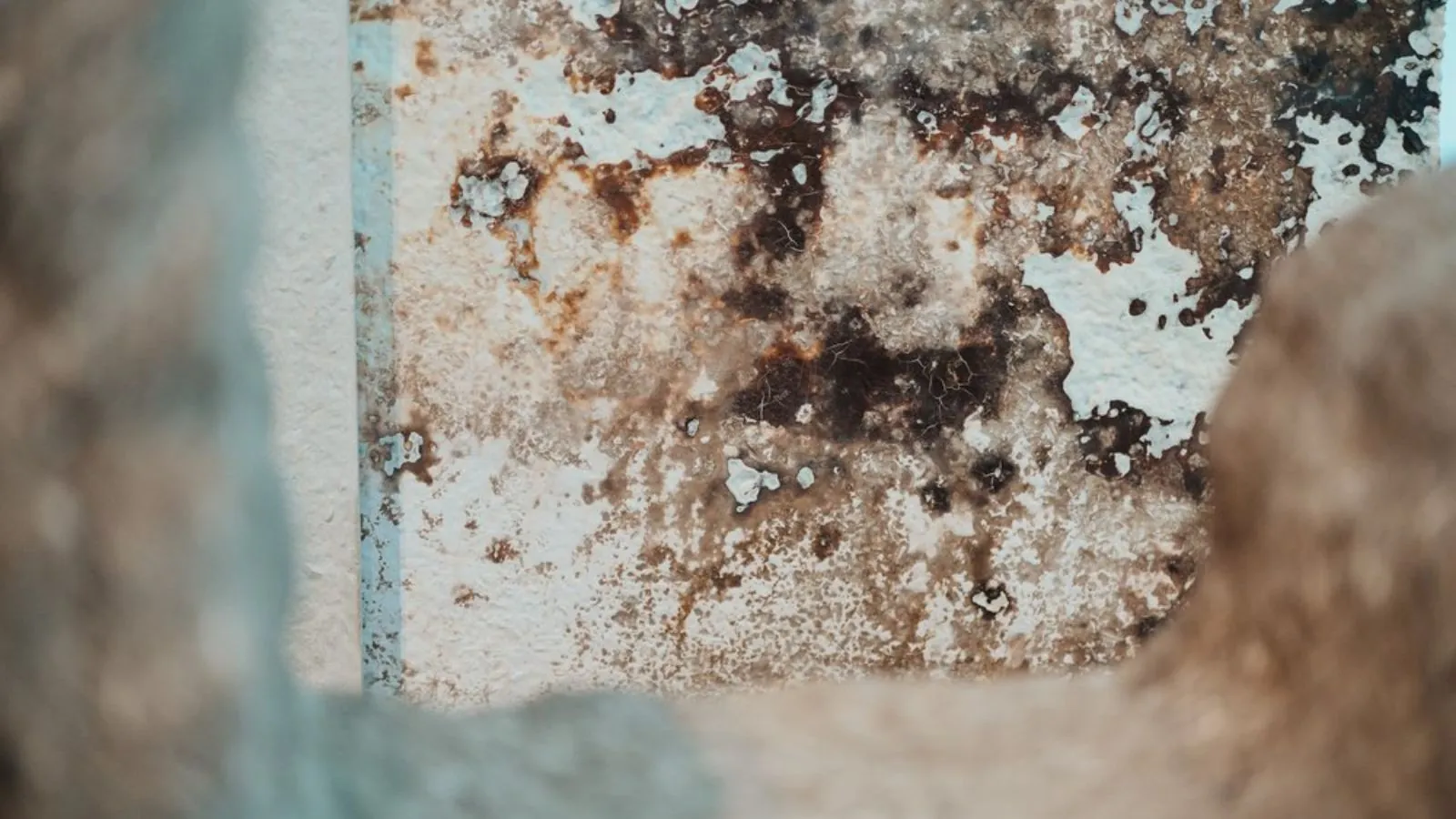
The second is mold. If materials stayed wet long enough for mold to grow, removing it under containment is mold remediation, which follows its own standard, ANSI/IICRC S520. On a clean-water leak that is dried promptly, there may be no remediation stage at all.
Restoration: rebuild
Restoration, used strictly, is the reconstruction: hanging drywall, laying floor, fitting trim, painting. It starts only after the structure is dry and clean.
Used loosely, "water damage restoration" names the whole process from first call to final coat of paint. That is how most people search for it and how most companies, including ours, describe the trade as a whole.
Why the difference matters to you
Estimates. You may receive a mitigation invoice and a separate rebuild estimate. That is normal. Check that the two together cover everything, with no step assumed by both and done by neither.
Insurance. Adjusters often approve mitigation quickly because delay costs them money too, and review the rebuild in more detail. Knowing which stage a document belongs to makes those conversations easier.
Who does the work. Some companies do only mitigation and hand the rebuild to a general contractor. Others do everything. Ask at the start, so you are not left with dry, open walls and nobody booked to close them.
Timing. Rebuilding before drying is finished is the classic mistake. New drywall over damp framing traps moisture.
Where "cleanup" and "repair" fit
Cleanup usually means mitigation plus any cleaning. Repair usually means the restoration stage. "Water removal" and "water extraction" are the first task inside mitigation. None of these terms is regulated, so always ask what a quote includes.
A simple example
A washing machine hose bursts on the second floor.
- Mitigation: the water is extracted, wet carpet pad and a section of ceiling below are removed, and equipment runs for four days.
- Remediation: none needed, because the water was clean and drying started the same evening.
- Restoration: new pad, the ceiling patched and painted, baseboards refitted.
Now imagine the same house sat empty for two weeks first. Mold has grown on the back of the drywall. A remediation stage is now added between the other two, with containment and air filtration.
Questions to ask about any quote
- Which of the three stages does this cover?
- Who does the rebuild, and when is it scheduled?
- What reading or test marks the end of drying?
- If mold is found, how is the scope changed and approved?
How the Stages Play Out in Delaware, Ohio
The stage a job is in decides whether the city is involved. Mitigation and remediation, meaning extraction, drying, removal and cleaning, need no permit. Restoration can. The City of Delaware Building Division says structural, electrical or mechanical work likely requires a permit, and plumbing permits are issued by the Delaware County Health District. Source type: the city's Building Division page.
So a typical sequence in the city is: mitigation straight away, a call to the Building Division about the rebuild scope, then restoration with any permit in hand.
A note on mold: we have not verified Ohio's contractor licensing rules for mold work, so we make no statement about them. This site covers water damage. The same three stages apply to homes in Lewis Center and Radnor, with township and county offices in place of the city's.
Restoration and Remediation Questions
Which stage of water damage work needs a permit in Delaware, OH?
Only the rebuild might. Extraction, drying and cleaning need none. Structural, electrical or mechanical repairs likely need a city permit, and plumbing permits come from the Delaware County Health District.
Is water mitigation the same as water damage restoration?
Mitigation is the first stage, which stops further damage. Restoration, strictly, is the rebuild. In everyday use, restoration often means the whole job.
Does every water damage job need remediation?
No. A clean-water leak dried promptly usually goes from mitigation straight to repair.
Question not listed? Talk it through with the 24/7 line at (833) 521-1033.