
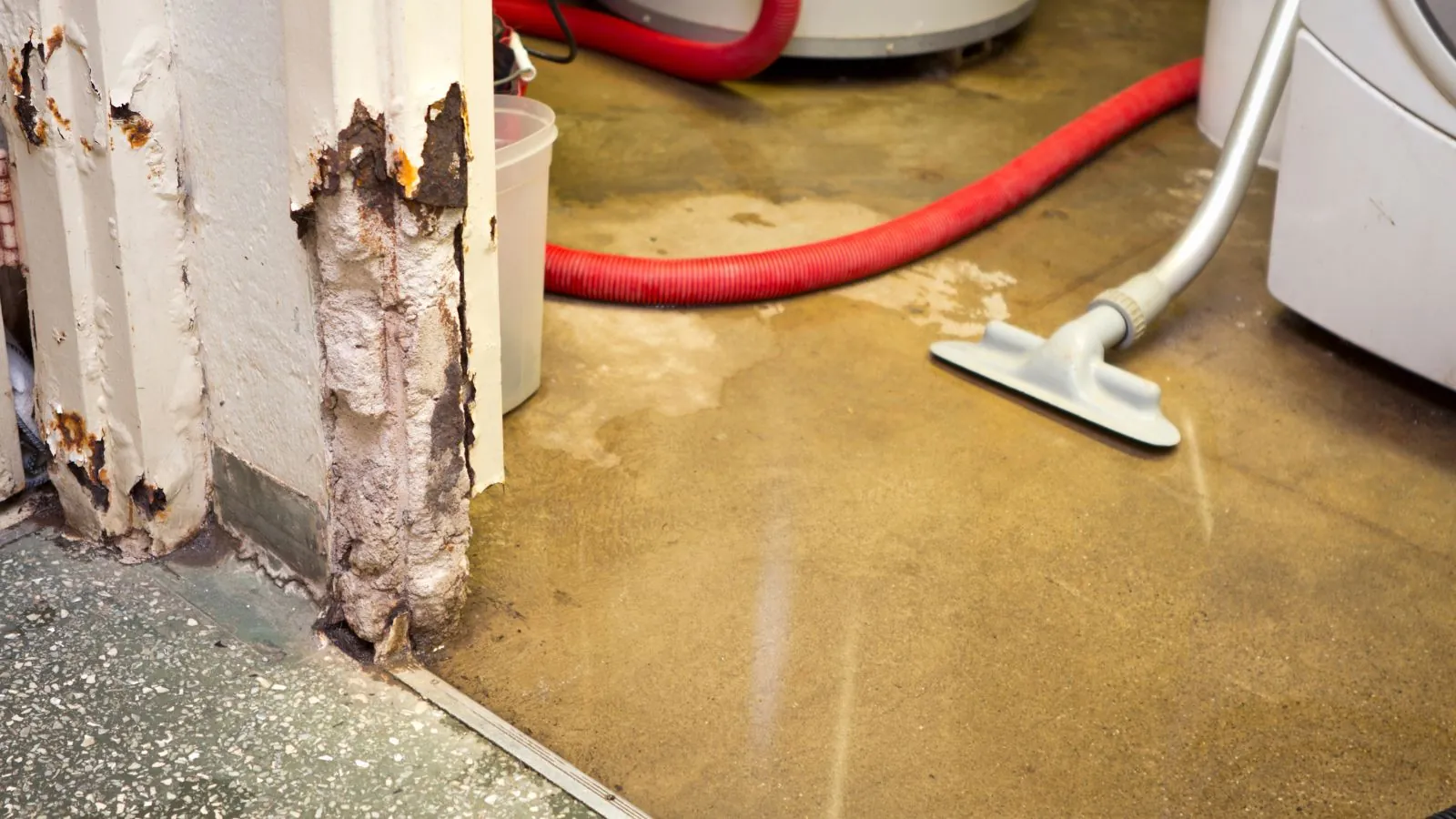
Flood damage restoration is the cleanup, disinfection and drying of a building after outside water has come in. If water is rising in your home, the first step is safety. Stay out of any room where water reaches outlets or the electrical panel, keep children and pets away, and call 911 if anyone is in danger. Then call the 24/7 line.
Flood water emergency: why it is treated as Category 3
Water that has crossed soil, streets or a river bank carries whatever it touched. The ANSI/IICRC S500 standard classes it as Category 3, the most contaminated class, whatever it looks like.
That one fact changes the whole job. Carpet, pad, drywall and insulation that soaked up flood water are removed, not dried. Hard surfaces are cleaned and disinfected. Crews wear protective gear, and the house should not be lived in normally until the wet materials are out.
Delaware and the Olentangy River
This city has a documented flood record. In March 1913 the Olentangy rose about 22 feet in just over a day and crested at 27.5 feet. Eighteen people are known to have died in Delaware and the county lost 41 bridges.
Delaware Dam, finished by the Army Corps of Engineers in 1948 about 4 miles upstream, now holds back high water and is operated to keep the river in the city below a 9 foot flood stage. That lowers the risk along the river. It does not remove it, and it does nothing for flooding from saturated ground or blocked drains.
We have not checked FEMA flood maps for individual streets, so this page will not tell you whether your address is in a mapped flood zone. The City of Delaware keeps floodplain regulations and can answer that for a specific property.
The cleanup, step by step
- Pump out standing water with submersible pumps and extraction units.
- Shovel out silt and remove ruined contents.
- Cut out wet drywall and insulation above the water line, a step often called a flood cut.
- Pressure wash and disinfect framing and concrete.
- Dry the structure with air movers and dehumidifiers, with daily moisture readings.
- Rebuild once the framing reads dry.
The first step is described in more detail on the water extraction page. Lower levels take the worst of most floods, and basement water damage has its own guide.
Flood, storm or plumbing? It matters for insurance
| Source | Typical category | Usual insurance route |
|---|---|---|
| River, creek or surface water | Category 3 | Flood policy, often through the NFIP |
| Rain through a storm-damaged roof or window | Category 1 to 2 | Often the homeowners policy |
| Supply pipe inside the house | Category 1 | Often the homeowners policy |
The table is general. Coverage depends on your policy, and only your insurer can decide a claim. The City of Delaware takes part in the National Flood Insurance Program, which is what makes flood policies available here. Rain that came through wind damage is covered on the storm water damage page.
Towns we reach
Flood cleanup crews serve Delaware and the nearby communities of Lewis Center, Kilbourne, Radnor and Ostrander.
What Drives the Cost of Flood Cleanup
- How high the water rose and how many rooms it reached.
- The amount of silt and debris to remove.
- How much drywall, insulation and flooring must be cut out.
- Disinfection and the number of drying days.
- The rebuild, which is often the largest part.
You get the scope and price before work starts, plus photos and moisture readings for your records.
Flood Damage Cleanup Questions From Delaware Homeowners
Do you handle flood damage emergencies at night or on weekends in Delaware?
Yes. Rivers and storms keep their own schedule. The line is answered 24/7 and crews are dispatched at night and on weekends. In a widespread event demand is high, and the dispatcher will tell you honestly where things stand.
Can anything be saved after flood water?
Hard, non-porous items can usually be cleaned and disinfected. Carpet, pad, mattresses, upholstered furniture and drywall that soaked up flood water are normally discarded.
Is it safe to stay in the house?
Not in the flooded rooms. Keep out until the wet materials are removed and the area is cleaned. If water reached the panel or the furnace, have them checked before use.
Does homeowners insurance cover a flood?
Usually not. Flood from outside is typically excluded and needs a separate flood policy. Check your policy or ask your insurer.
Question not listed? Talk it through with the 24/7 line at (833) 521-1033.