
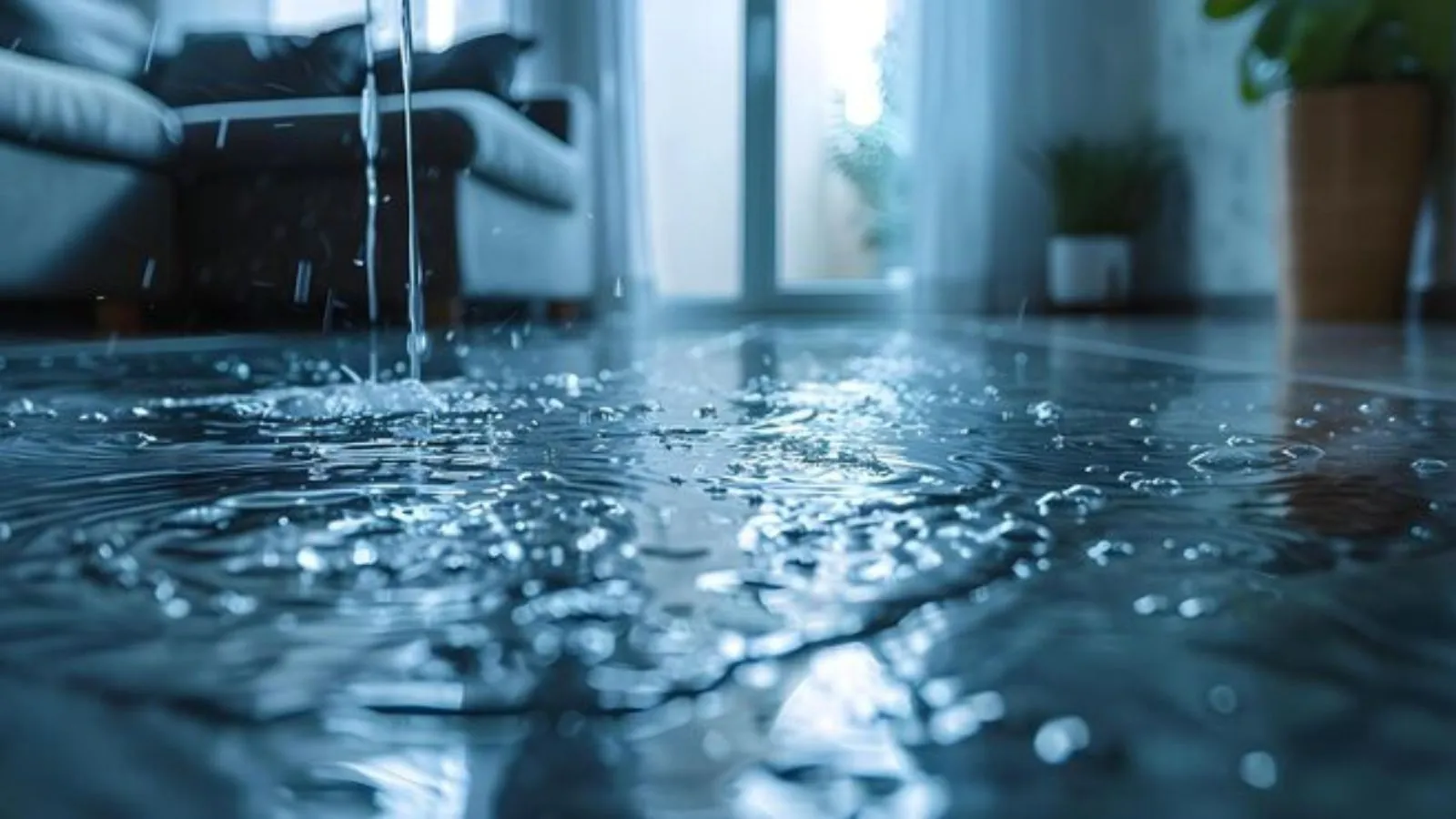
The size of a water loss depends less on the size of the leak than on how long it runs. A split supply line found in ten minutes wets one room. The same line left for a long weekend can soak every floor below it. So preparing a house for a trip is mostly about one thing: making sure water cannot run unattended.
The single most effective step
Close the main water shut-off valve before you leave. With the main closed, a failed hose or fitting can release only the water already in the pipes, a few gallons at most.
Find the valve today, not on the morning of your flight. It is usually where the water line enters the house, near the meter. Turn it off once as a test. A valve that has not moved in years can seize, and you want to learn that while you are home.
After closing it, open a tap briefly to release the pressure.
If you cannot shut off the main
Some houses have systems that need water while you are away, such as a hot water boiler or a fire sprinkler system. In that case, close the individual valves you can:
- Both washing machine valves
- The valves under each sink
- The valve behind each toilet
- The ice-maker line
Those are the fittings that fail most often, because they sit under constant pressure and use small flexible hoses.
The water heater
For a short trip, leave it alone. For a week or more, use the vacation or pilot setting if your heater has one. If you have closed the main, do not leave an electric heater on its normal setting for a long absence. Check the maker's instructions for your model.
Winter trips: keep the heat on
Never turn the heat off in winter. Set the thermostat no lower than the mid 50s Fahrenheit. Open the cabinet doors under sinks on outside walls so warm air reaches the pipes.
A pipe that freezes usually leaks when it thaws, hours later, which is why winter vacancies produce the largest losses. What that looks like is described on our frozen pipe water damage page.
Some insurers ask whether heat was maintained in a home that was empty. Check what your policy says about vacancy before a long trip.
Outside the house
- Disconnect garden hoses in cold weather so the faucet can drain.
- Clear gutters and check that downspouts send water away from the foundation.
- Test the sump pump by pouring a bucket of water into the pit.
A sump pump that fails while you are away is one of the common causes of a wet lower level, which we cover under basement water damage cleanup.
Have someone look in
Ask a neighbor or friend to walk through every few days. Show them where the main valve is and leave them a plumber's number and ours. A person who looks at the ceilings and listens for running water catches most problems early.
Many insurers expect an empty home to be checked regularly. Ask yours how often.
Technology that helps
| Device | What it does | Limits |
|---|---|---|
| Leak sensor | Sounds an alarm or sends an alert when it gets wet | Only senses where you put it |
| Automatic shut-off valve | Closes the main when it detects a leak or unusual flow | Needs installing by a plumber |
| Smart thermostat | Warns you if the house gets too cold | Needs working internet and power |
Put sensors by the water heater, under sinks, behind the washer and near the sump pit.
The ten-minute list
- Close the main valve, or the individual valves.
- Set the heat, never off in winter.
- Open sink cabinets on outside walls in cold weather.
- Check the washer hoses for bulges.
- Empty and switch off the ice maker.
- Test the sump pump.
- Give a neighbor the key and the phone numbers.
Notes for Delaware, Ohio Residents
City of Delaware Public Utilities delivers water to more than 12,000 customers through about 190 miles of pressurized water line. Source type: the city utility's description of its system. The practical meaning is simple: a failed fitting in an empty house is fed by a supply that does not run out, which is why closing your own main valve matters.
We have not verified freeze-day figures for Delaware against National Weather Service records, so we give none here. Central Ohio does see freezing weather each winter, and the National Weather Service issues the cold-weather alerts for Delaware County.
Rural homes around Radnor and Kilbourne may be on wells. There, switching off the well pump breaker does the job of the main valve.
Before-You-Leave Questions
Should I tell the City of Delaware utility that I am going away?
It is not required for a normal trip. Closing your own main valve protects the house. For a long absence, ask City of Delaware Public Utilities what options they offer for the account.
Is it safe to turn off the main water valve when I leave?
For most homes, yes. Check first whether you have a boiler or sprinkler system that needs water, and follow the water heater maker's guidance for long absences.
How often should someone check an empty house?
Every few days is a sensible minimum. Ask your insurer whether your policy sets a specific interval.
Question not listed? Talk it through with the 24/7 line at (833) 521-1033.