
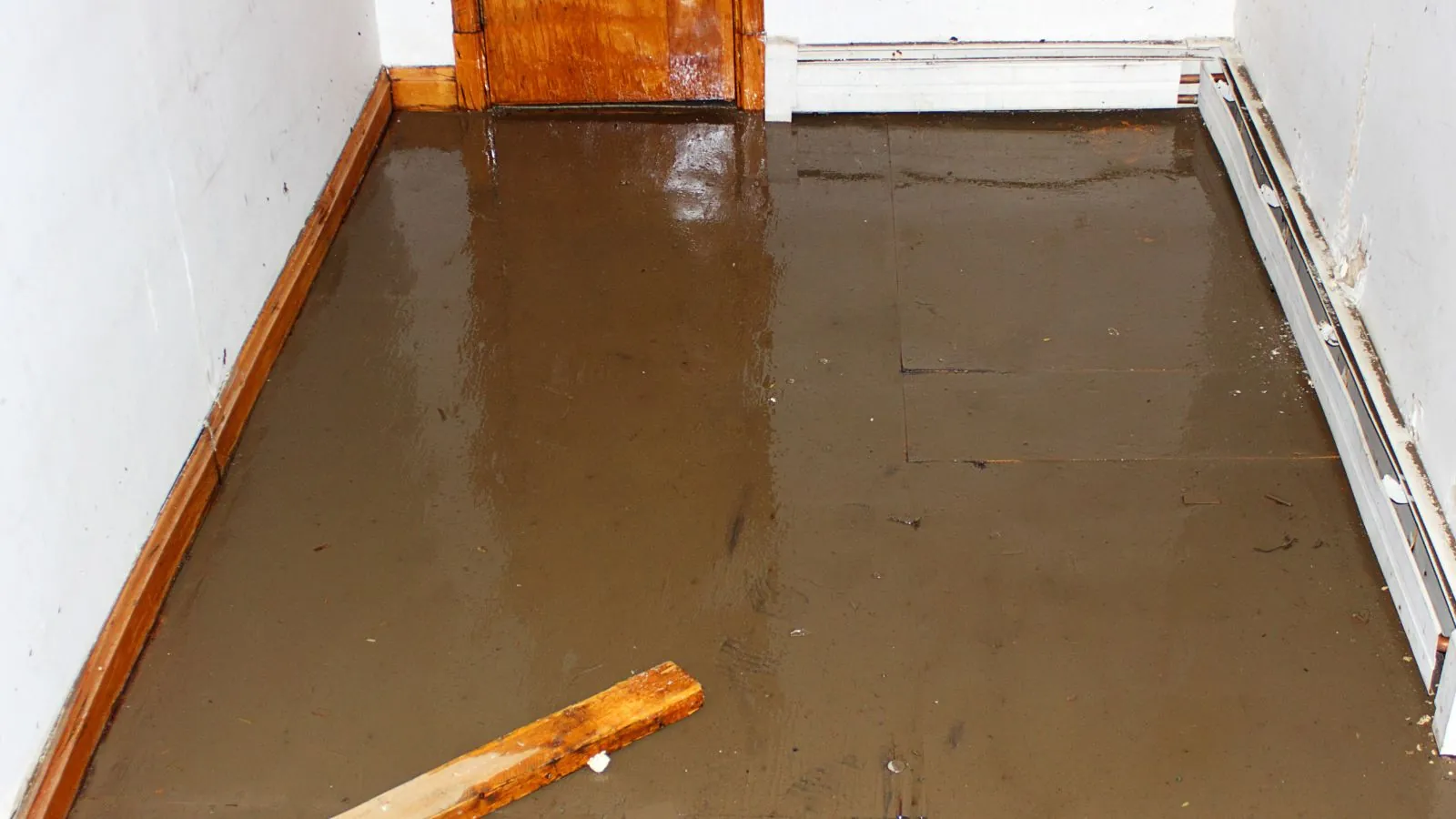
After the water is out, you are left with a pile of wet things and a hundred small decisions. Most of them come down to a simple rule. Porous items absorb whatever was in the water. Non-porous items do not.
Start with the water
Clean water from a supply line leaves most things recoverable if they are dried quickly. Gray water, from a washing machine or dishwasher, carries soil and detergent, so absorbent items need washing. Contaminated water, meaning sewage or flood water from outside, changes the rules completely. Anything porous that soaked it up is generally not safe to keep.
The quick reference
| Item | Clean water | Contaminated water |
|---|---|---|
| Solid wood furniture | Dry slowly, usually fine | Clean and disinfect, often saved |
| Particleboard or MDF furniture | Often swells and fails | Discard |
| Upholstered sofas and chairs | Can be dried if caught early | Discard |
| Mattresses and pillows | Discard if soaked through | Discard |
| Carpet | Often saved | Discard |
| Carpet pad | Often replaced | Discard |
| Area rugs | Professional cleaning | Wool or valuable rugs may be cleaned by a specialist, others discarded |
| Clothing and bedding | Wash and dry | Hot wash with detergent, discard if stained by sewage |
| Hard plastic, metal, glass | Wipe dry | Wash and disinfect |
| Books and papers | Air dry or freeze | Usually discard, freeze important ones for a specialist |
| Food | Discard anything not sealed | Discard everything except undamaged commercial cans, which are washed and disinfected |
Things to throw away after contaminated water
- Mattresses, pillows and stuffed toys
- Upholstered furniture
- Carpet and pad
- Cardboard boxes and their soft contents
- Cosmetics, medicines and baby items
- Food, including anything with a screw cap or pull tab
- Wooden cutting boards and plastic utensils
When you are unsure about an item that touches food or a child's mouth, discard it.
Things that usually survive
Hard, non-porous items clean up well: dishes, pots, glass, metal tools, hard plastic storage bins, tile and sealed stone. Wash with detergent, then disinfect.
Solid wood furniture is tougher than it looks. Wipe it down, dry it slowly away from direct heat, and expect white marks in the finish that can often be polished out. Drawers that have swelled should be left in place to dry before you try to open them.
Appliances and electrical items
Do not plug in anything that was submerged. Large appliances with motors or gas controls that sat in water should be checked by a qualified technician before use. That includes furnaces and water heaters.
Building materials
The same rule applies to the house itself. Drywall and insulation soaked by contaminated water are removed. After clean water they can often be dried. How that decision is made is explained on our wall and drywall page, and for whole lower levels on the basement water damage page.
Before you throw anything out
Photograph it. Make a list with a description, age and rough value. If you are making an insurance claim, ask your insurer before disposing of items, unless they are a health hazard. Then photograph them at the curb as well.
Sentimental items
Wedding albums, a child's drawings and family papers are worth extra effort. Rinse off mud gently with clean water, do not rub, and either air dry them flat or seal them in a bag and freeze them. Freezing stops the damage and gives you time to find a conservator.
How to clean what you keep
Wear gloves. Wash with detergent and water first, because disinfectant does not work through dirt. Then apply a disinfectant following its label. Never mix bleach with ammonia or other cleaners. Dry everything completely before putting it back.
Disposal and Sewer Facts for Delaware, Ohio
City of Delaware Public Utilities runs the city's wastewater system as well as its water supply, including about 175 miles of sewer line and 12 pump stations. Source type: the city utility's system description. If the water in your home came from that system through a floor drain or toilet, treat every porous item it touched as contaminated.
We have not verified the city's current rules for bulk pickup of water-damaged furniture and carpet, so we state none here. Call the city's public works or your waste hauler before putting a large pile at the curb, and ask whether items must be bagged.
Households in Kilbourne and Radnor are served by township and private haulers, so ask your own hauler.
Keep or Discard Questions
How do I get rid of water-damaged carpet and furniture in Delaware, OH?
Rules for bulk items vary, and we have not verified the current ones. Call the city's public works department or your waste hauler first. On a restoration job, removal and disposal of damaged materials is part of the scope.
Can a mattress be saved after water damage?
If it was soaked through, no. The inside cannot be dried or cleaned reliably. A mattress that was only splashed on one edge with clean water can be dried.
Is it safe to keep canned food after a flood?
Undamaged, commercially sealed metal cans can be kept if the labels are removed and the cans are washed and disinfected. Discard cans that are dented, bulging or rusted, and all home-canned food.
Question not listed? Talk it through with the 24/7 line at (833) 521-1033.